
Among the Sensex firms, Bajaj Finance, JSW Steel, Reliance Industries, Mahindra & Mahindra, ITC, Tata Consultancy Services, Wipro, HDFC Bank, Larsen & Toubro and Bharti Airtel were the major laggards. Sun Pharma, NTPC, State Bank of India, IndusInd Bank and Axis Bank were the major gainers.
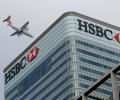
As India faces slowing economic growth, HSBC Global Research has downgraded the Indian stock market outlook from "overweight" to "neutral". In a report, the global financial services firm said profits at India Inc appeared to have softened while valuations are elevated. After annualized growth of 25 per cent in recent years, profits appear to have softened while valuations are elevated at 23x forward earnings.

India's stock markets are experiencing a shift in investor sentiment, with a 30 per cent surge in Chinese stocks, prompting investors to move money from domestic markets to China. This reversal of fortunes is a notable change from the past three years, where China's losses benefited India.

Importers are rushing to hedge their dollar positions amid the sharp depreciation of the rupee against the American currency and expectations of further volatility even as exporters are holding off after suffering mark-to-market (MTM) losses on earlier hedges.
Investors' wealth tumbled by Rs 9 lakh crore on Friday, in tandem with a sharp decline in the domestic equity market, where the benchmark Sensex plunged 1,414 points following a bearish trend in global equities. Fresh tariff threats that ignited global trade war fears and relentless foreign fund outflows dented investor sentiment, analysts said.

India-focused offshore funds and exchange-traded funds (ETFs) witnessed a net outflow of $376 million in three months ended March 2021, making it the twelfth consecutive quarter of withdrawal, according to a Morningstar report released on Wednesday. This was markedly lower than the net outflows of $986 million registered during the quarter ended December 2020. India-focused offshore funds and ETFs are some of the prominent investment vehicles through which foreign investors invest in Indian equity markets.

The Reserve Bank of India's (RBI's) interest rate decision, West Asia conflict and trading activity of foreign investors are the key factors that will dictate investors' sentiment in the market this week, analysts said. Moreover, quarterly earnings from IT bellwether TCS, domestic macroeconomic data and movement in global oil benchmark Brent crude would also guide trends in the market. Worsening tensions in the Middle East and foreign fund outflows were the major culprits behind the equity markets sharp fall last week.

Among the Sensex firms, Mahindra & Mahindra, Bharti Airtel, ICICI Bank, IndusInd Bank, Reliance Industries, Axis Bank and HDFC Bank were among the major laggards. Titan, Kotak Mahindra Bank, Asian Paints, HCL Technologies, Tech Mahindra, NTPC, Nestle and Power Grid were the major gainers.

Among Sensex firms, Bajaj Finserv and Bajaj Finance fell by over 4 per cent each. Nestle, Infosys, Tata Consultancy Services, Wipro, UltraTech Cement, HCL Technologies, Larsen & Toubro and Hindustan Unilever were the other major laggards. Bharti Airtel, State Bank of India, Sun Pharma and NTPC were among the gainers.
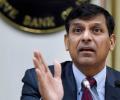
The hectic buying by domestic institutions, as also by some top-shot brokers in their proprietary accounts, was in sharp contrast to heavy selling of stocks by foreign portfolio investors
SBI was the top loser in the Sensex pack, shedding around 3 per cent, followed by Bajaj Finserv, Tech Mahindra, Sun Pharma, Bajaj Finance and Axis Bank. Nifty fell 143.60 points to 17,873.60.
Among Sensex shares, Tech Mahindra, Infosys, Asian Paints, ICICI Bank, Kotak Mahindra Bank, Titan, IndusInd Bank and Bajaj Finserv were the major laggards. Nestle, Tata Steel, Mahindra & Mahindra, Bajaj Finance, HDFC Bank and Tata Consultancy Services were among the gainers.
Investors' wealth plummeted by Rs 5.49 lakh crore on Friday as markets faced a massive correction tracking a weak trend in global peers and fresh foreign fund outflows. Falling for the third day running, the 30-share BSE Sensex tumbled 1,017.23 points or 1.24 per cent to settle at 81,183.93. During the day, it plunged 1,219.23 points or 1.48 per cent to 80,981.93.

'Other sectors that manage the savings pools of Indians are giving tough competition to life insurance companies.'

From the Sensex basket, Mahindra & Mahindra, Tata Motors, NTPC, HCL Technologies, Larsen & Toubro, Infosys, Tech Mahindra and State Bank of India were the major laggards. Bharti Airtel, Bajaj Finance, Bajaj Finserv, Tata Consultancy Services and IndusInd Bank were among the gainers.

'Defence, capital goods, engineering, capital market-related stocks, autos, and cement sectors are my bullish bets for Samvat 2082.'

'A balanced portfolio mix of domestic and international equity, fixed income, and precious metals is recommended.'

From the Sensex pack, Reliance Industries, Bajaj Finserv, HDFC Bank, Adani Ports, Maruti Suzuki India, Axis Bank, Hindustan Unilever, Sun Pharmaceuticals and Asian Paints were among the laggards. Reliance Industries fell the most by 2.38 per cent to close at Rs 1,171.10 apiece.

Investors lost Rs 24.69 lakh crore in market valuation in the last four days of severe drubbing in the equity market. Spike in global crude prices, unabated foreign fund outflows, a strong US jobs data diminishing early rate cut expectations, and the rupee logging its steepest single-day fall in nearly two years dampened investors' sentiment.

Stock market investors became richer by a whopping Rs 77.66 lakh crore in 2024, helped by an overall optimistic trend in equities, where the BSE Sensex surged over 8 per cent. Analysts said the year witnessed a tug of war between the bulls and bears marked by volatility but, despite the uncertainties around the world, the Indian markets sustained the pressure and delivered impressive returns.

From the Sensex pack, Bajaj Finserv, HDFC Bank, Tata Motors, HCL Technologies, Tata Consultancy Services, Axis Bank, Infosys, IndusInd Bank, Tech Mahindra and Maruti were the major laggards. NTPC, Power Grid, Mahindra & Mahindra, JSW Steel, Bajaj Finance, ITC and Reliance Industries were among the gainers.

From the 30 Sensex firms, Larsen & Toubro, Reliance Industries, Axis Bank, Asian Paints, Tata Motors, Bajaj Finance, Maruti, Bajaj Finserv, Kotak Mahindra Bank, Titan, Adani Ports and HDFC Bank were the major laggards. JSW Steel emerged as the only gainer.
Market benchmarks Sensex and Nifty wilted under selling pressure on Friday after a five-day rally as investors pared exposure to banking, financial and consumer durable stocks amid mixed trends in global markets. Rising global crude prices, a depreciating rupee and persistent foreign fund outflows further weighed on sentiment, traders said.

To shield against US President Donald Trump's tariff shock, analysts have been advising investors to focus on stocks of domestic-oriented companies, rather than export-centric ones, to minimise potential losses.

Market benchmarks Sensex and Nifty tumbled 1 per cent on Wednesday amid continuous foreign fund outflows and a weak trend in index majors Reliance Industries and HDFC Bank. The 30-share BSE Sensex slumped 636.75 points or 1.04 per cent to settle at 60,657.45. During the day, it declined 700.64 points or 1.14 per cent to 60,593.56.

Foreign investors continue to pull back money from the Indian equity market withdrawing a little over Rs 30,000 crore in the first fortnight of the month amid escalation in global trade tensions. This came following an outflow of Rs 34,574 crore from equities in February and Rs 78,027 crore in January.
Titan Company, Axis Bank, NTPC, Tata Motors, ITC, Tech Mahindra, Bajaj Finserv, ICICI Bank, HDFC Bank and Bajaj Finance were the other laggards. Bharti Airtel, Power Grid, Infosys and Larsen & Toubro were among the gainers.

For the first time, the rupee declined to the low level of 80 against the US dollar in intra-day spot trading on Monday before ending the session 16 paise lower at 79.98 amid a surge in crude oil prices and unrelenting foreign fund outflows. At the interbank forex market, the local unit opened at 79.76 against the greenback but lost ground to touch the psychological low mark of 80 against the American currency. The local unit clawed back some lost ground and closed at 79.98, registering a fall of 16 paise over its previous close.

Speaking at the 'Samudra se Samruddhi' event, where he inaugurated and laid foundation stones of projects worth Rs 34,200 crore, Modi said all the problems of India have only one solution, and that is self-reliance.

Among the Sensex firms, Kotak Mahindra Bank, UltraTech Cement, Mahindra & Mahindra, Larsen & Toubro, ICICI Bank, IndusInd Bank, Wipro and Hindustan Unilever were the major laggards. Sun Pharma, Bajaj Finance, Bharti Airtel, Reliance Industries, Bajaj Finserv and Titan were among the winners.

Foreign investors continued to pull out large sums from the emerging market equity funds last week, with the Asian equity funds witnessing an outflow for the sixth week in a row taking the total exodus to over $18 billion so far is year.

State Bank of India, Adani Ports, Tata Consultancy Services, ICICI Bank, Reliance Industries and PowerGrid were also among the laggards.
From the Sensex pack, Bajaj Finance tanked 7.21 per cent. The other major laggards were Bajaj Finserv, ICICI Bank, Infosys, Titan, Power Grid, Axis Bank, HDFC Bank, Tech Mahindra, Wipro and Bharti Airtel. ITC, Hindustan Unilever, NTPC, Mahindra & Mahindra, Nestle and Larsen & Toubro were the major winners.

Sun Pharma, Bajaj Finserv, Tata Consultancy Services, Infosys, Hindustan Unilever, JSW Steel, Wipro, Maruti, HCL Technologies, Tech Mahindra and ICICI Bank were the other major gainers. State Bank of India, Tata Motors, Axis Bank, Kotak Mahindra Bank, Bajaj Finance, Tata Steel, Nestle and HDFC Bank were the laggards.

Among the Sensex firms, Infosys, NTPC, Power Grid, Titan, ITC, Tech Mahindra, Hindustan Unilever, Axis Bank, Tata Consultancy Services, Bajaj Finserv, Reliance Industries and UltraTech Cement were the biggest gainers. In contrast, IndusInd Bank, Kotak Mahindra Bank, Mahindra & Mahindra, JSW Steel, HDFC Bank and Maruti were the major laggards.

Among the Sensex firms, PowerGrid, IndusInd Bank, Larsen & Toubro, Nestle, HCL Tech, Axis Bank, Tata Motors, HDFC Bank, Tata Consultancy Services and HDFC were the major winners. Bajaj Finserv, NTPC, Reliance Industries and Kotak Mahindra Bank were the biggest laggards.
Among the Sensex firms, NTPC, Tech Mahindra, UltraTech Cement, Bajaj Finance, ITC, Bajaj Finserv, Axis Bank and Power Grid were the major gainers. On the other hand, Mahindra & Mahindra, HCL Technologies, Titan and IndusInd Bank were among the laggards.

The government has decided to postpone the release of the new Foreign Trade Policy (FTP) and extend the existing one by six months on account of global uncertainties and currency fluctuations. The government was scheduled to announce the new FTP by the end of September. The current policy was to end on September 30.

Wipro was the biggest loser among Sensex firms, sliding 2.32 per cent, followed by HDFC Bank, Power Grid, UltraTech Cement, ITC, ICICI Bank and Tata Motors. IndusInd Bank, Maruti, State Bank of India, Mahindra & Mahindra, Asian Paints and Bajaj Finserv were among the gainers.

'Listing of scaled Indian subsidiaries of multinational corporations as well as of Indian conglomerates continues to remain a key theme for IPOs in India.'
